Reservoir, stone fruits, and wheat fields
The valley economy relies on stored mountain runoff, gravity fed irrigation channels, and terraced plots producing wheat, apricots, plums, and persimmons.
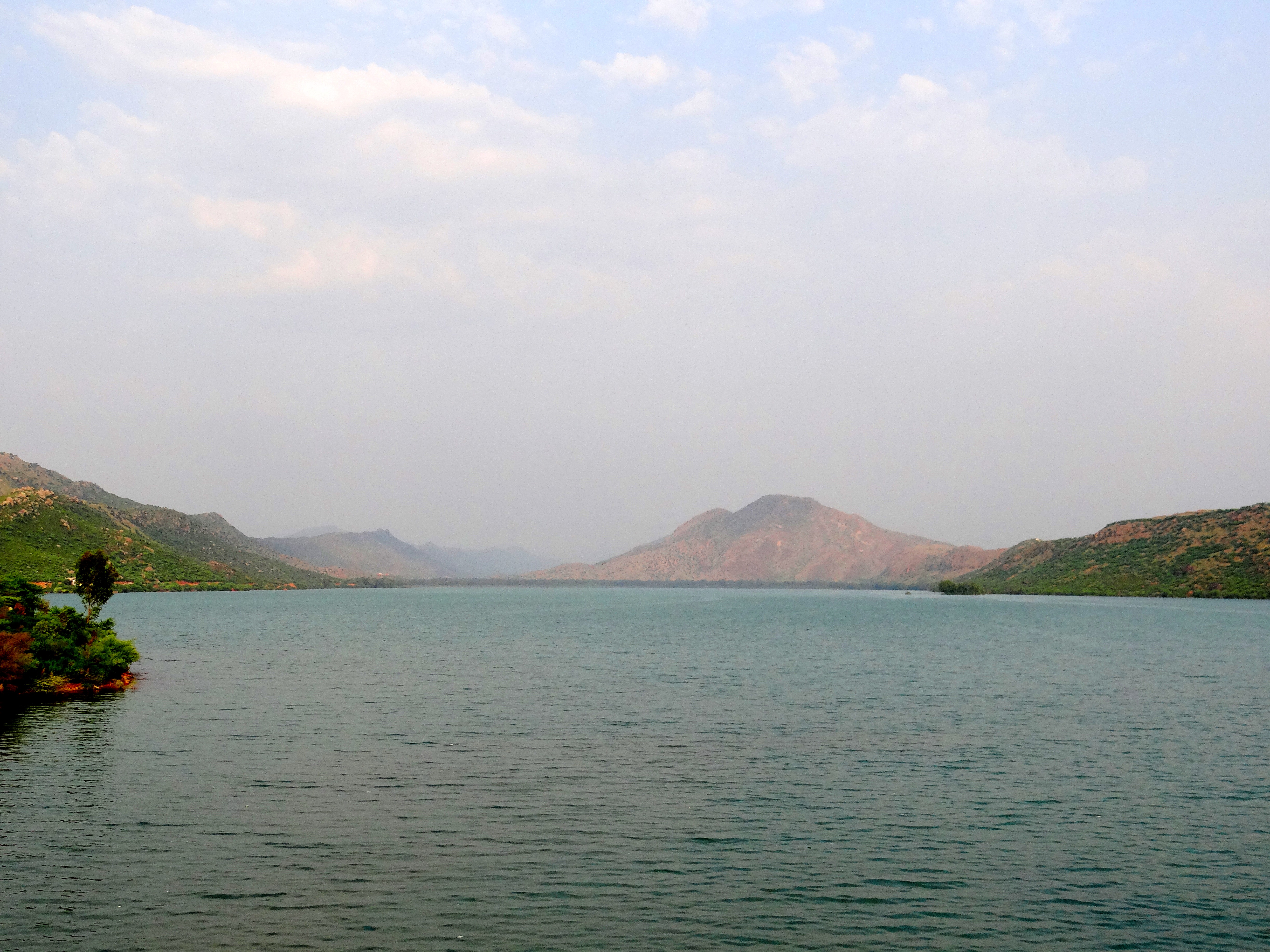
Reservoir and canal network
Until the construction of Small Dam Naryab in the northern gorge, farming was dependent on erratic seasonal rainfall. The reservoir catches monsoon downpours and mountain seepage, stabilizing the water table and feeding gravity canals throughout the growing season.
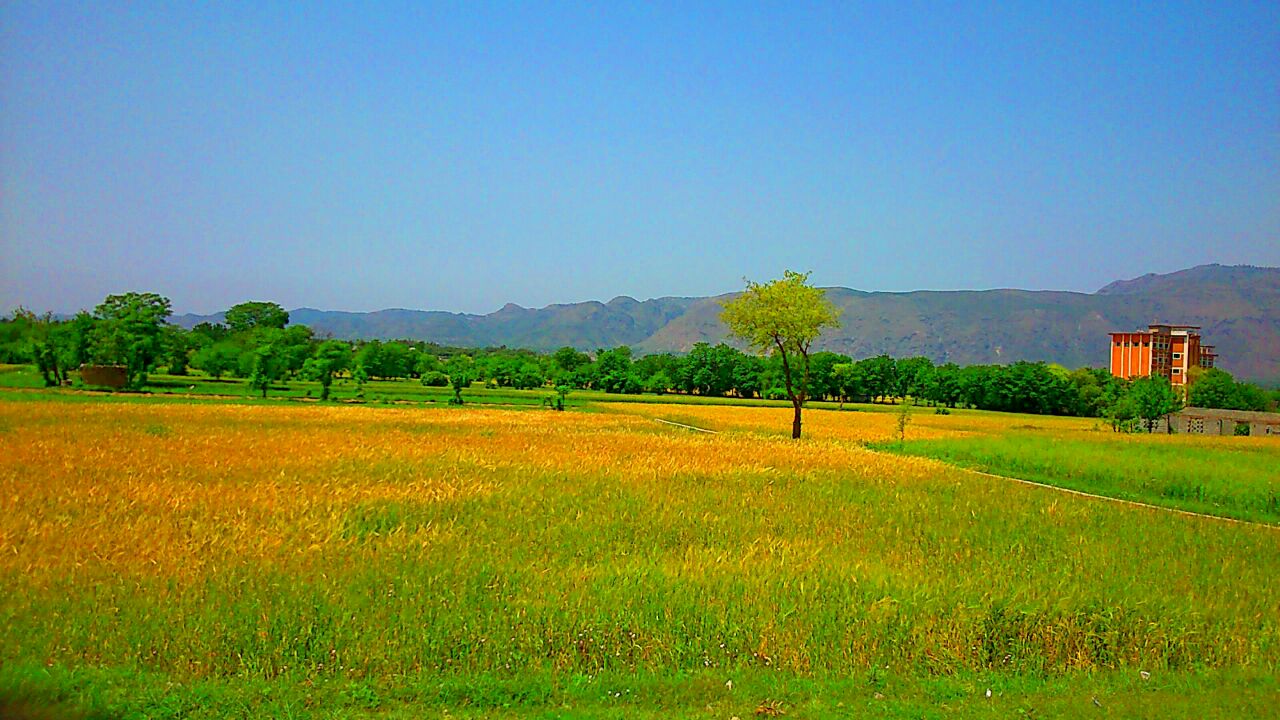
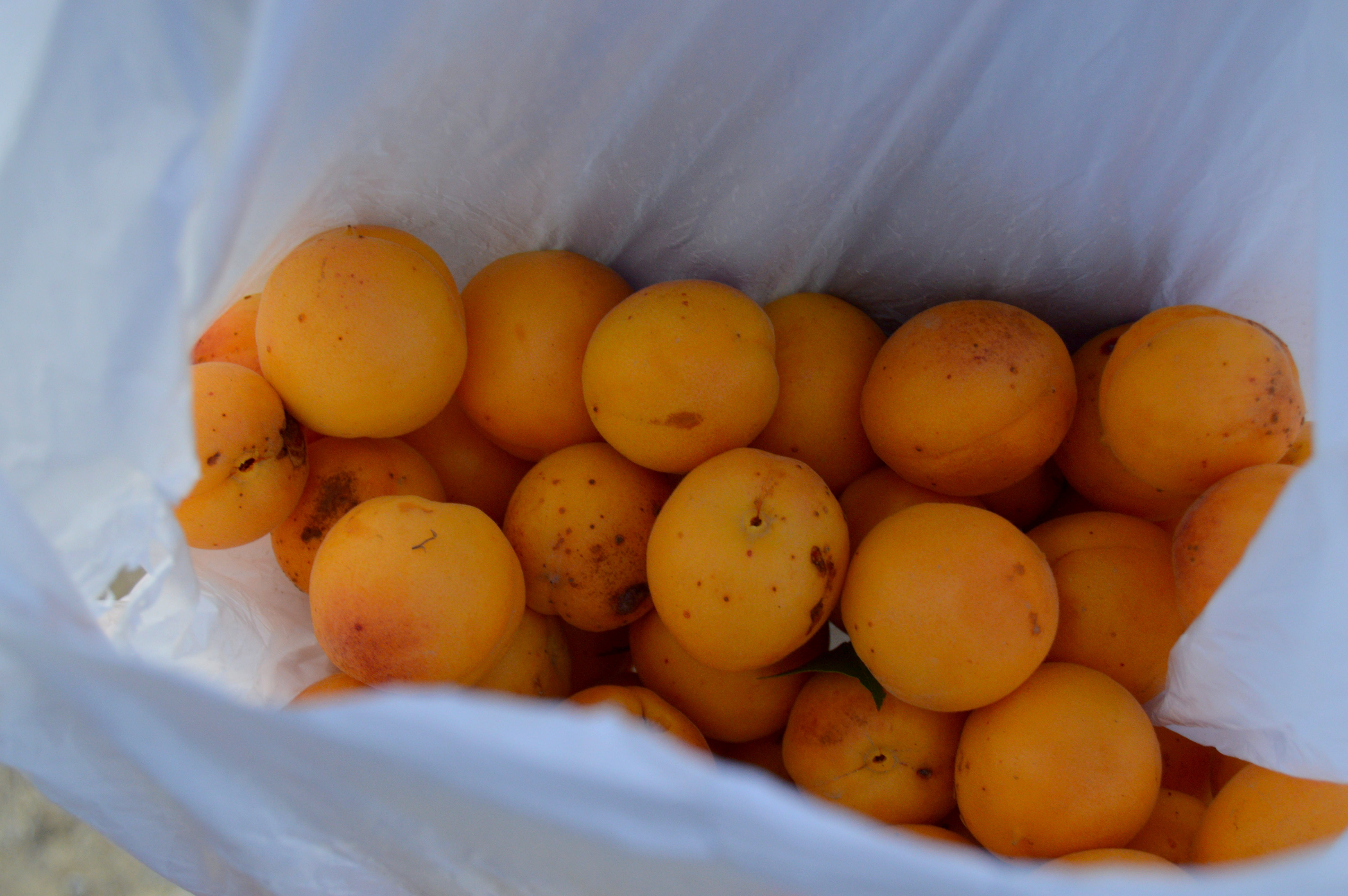
Orchard fruits and harvest calendar
Apricot (Khubani)
Eaten fresh from the branches or dried in the sun to keep for winter household consumption and guests.
Plum (Alucha)
Loaded in wooden crates onto morning pickup trucks bound for wholesale fruit markets in Kohat and Peshawar.
Peach (Aroo)
Grown in higher terraced parcels near the foothills where night air remains cool during early summer.
Persimmon (Amlok)
Ripens late in the autumn as leaves fall from the trees, providing the final fruit harvest of the calendar year.
The Warabandi rotational water system
In an upland valley where water is limited, canal distribution follows the traditional Warabandi system. Each landowning family is allotted a specific window of hours each week to divert water onto their terraced parcels.
Turns rotate on a fixed schedule day and night, managed by an elected water master (Mirab). During dry seasons, turns are adjusted equally across all clans so that no field is neglected.